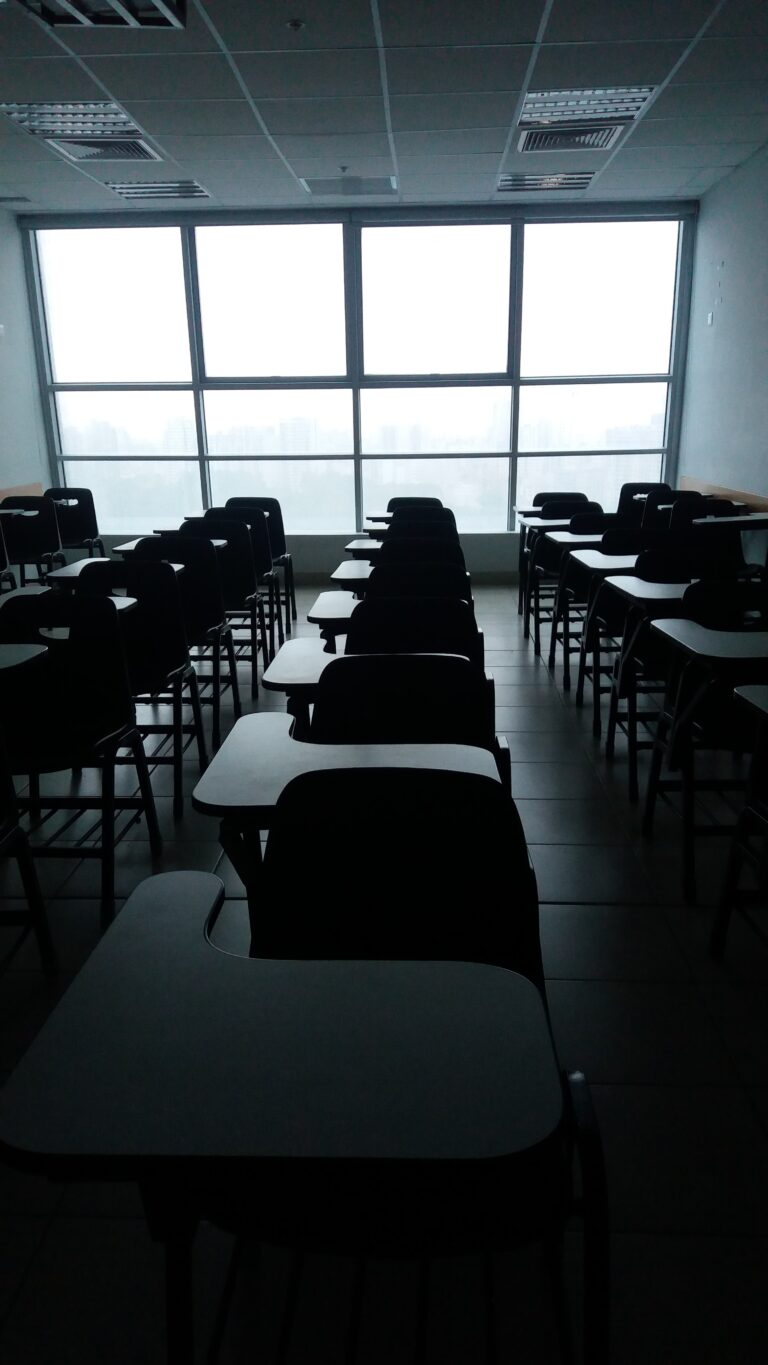
Modern lights flicker at rapid speeds, causing the eyes to adjust constantly. Technology in the classroom additionally increases lighting for active whiteboards and other screens. Blue lights from these screens may further irritate the eyes over time. Keeping the lights low helps to reduce eye fatigue and headaches. A calmer visual setting can also improve focus and minimize overstimulation for all learners.
Thoughtful lighting design is more than an aesthetic choice—it’s a support tool for attention, calm, and comfort. Low lighting helps regulate sensory input, offering students a subtle cue to focus, settle, and feel at ease in their learning space. For students who are neurodivergent or have experienced trauma, softer lighting can reduce overstimulation, creating a safer and more emotionally supportive environment.
Turn out some lights (if applicable) to reduce the amount of light exposure.
Soften the lighting by using light covers or filters.
Add full-spectrum/dynamic lamps in the room or change the fluorescent ones.