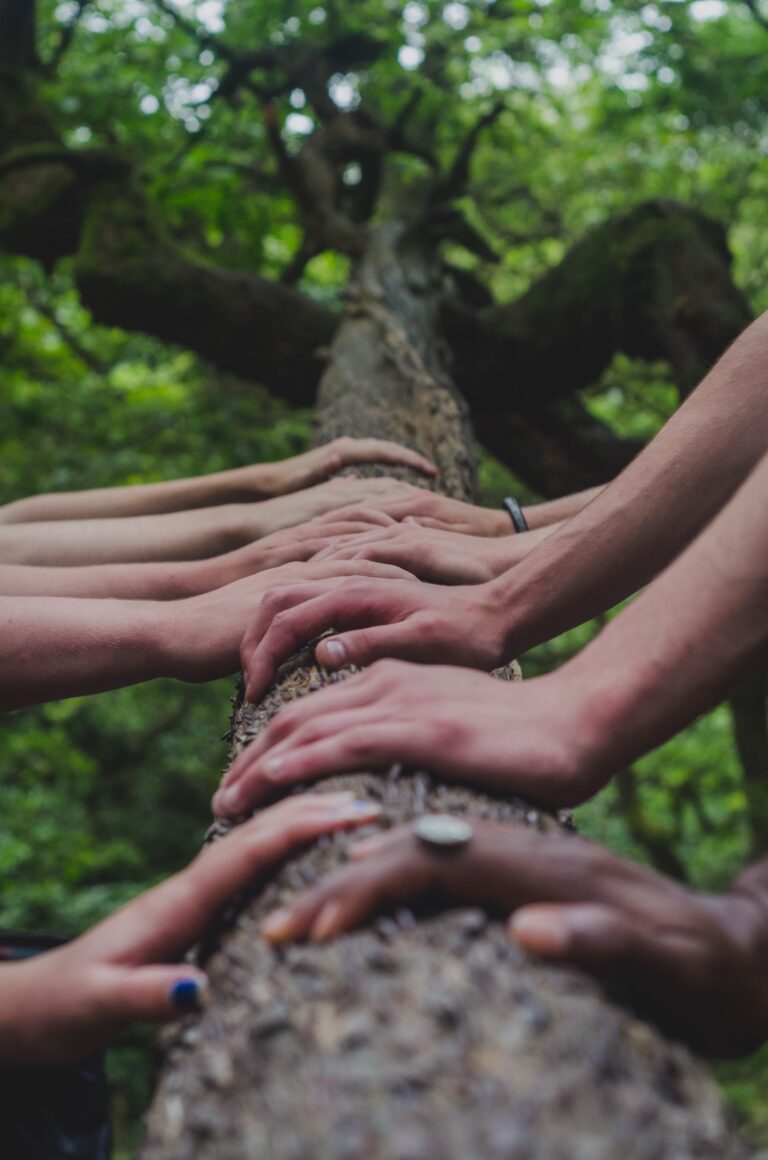
When students are actively involved in learning—touching, building, experimenting, or solving problems—they retain information better and develop critical thinking, collaboration, and resilience. Hands-on, experiential learning strengthens neural pathways and makes instruction more memorable, relevant, and enjoyable. By doing rather than watching, students connect learning to real life and build skills they can use.
Hands-on activities are a practical way to engage students’ minds and bodies in learning. When used consistently, they support student curiosity, reduce off-task behavior, and create opportunities for deeper thinking through doing.
Allowing students to create products of their learning.
Connect learning activities to real-world problems.