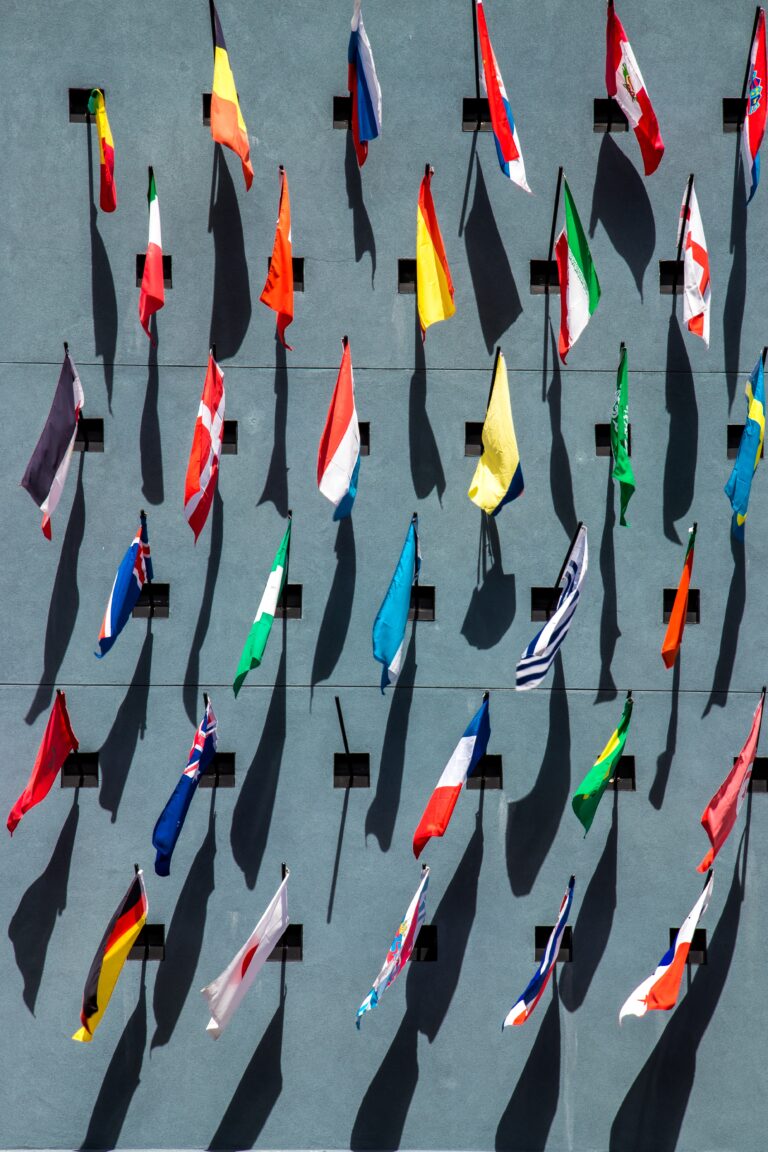
More than 195 countries represent a rich tapestry of cultures, histories, languages, and identities. In the classroom, displaying and honoring different cultural perspectives builds empathy, promotes inclusion, and helps students recognize the value of their culture and others. When students see themselves and others reflected in the curriculum and learning environment, it fosters belonging and mutual respect.
Displaying different cultural perspectives helps students see the world through broader lenses. It teaches compassion, deepens understanding, and allows learners to appreciate differences and common threads among people. When visible in the classroom, culture becomes a bridge, connecting students, fostering empathy, and preparing them to thrive in a global society.
Cultural Dialogue – Create space for open and respectful conversations around culture.
Cultural Sensitivity – Be mindful and intentional about honoring cultural identities.
Diverse Planning – Integrate cultural representation into your lessons year-round.